Nanna Starck
The Jewel Box
15.08.2026 - 18.10.2026
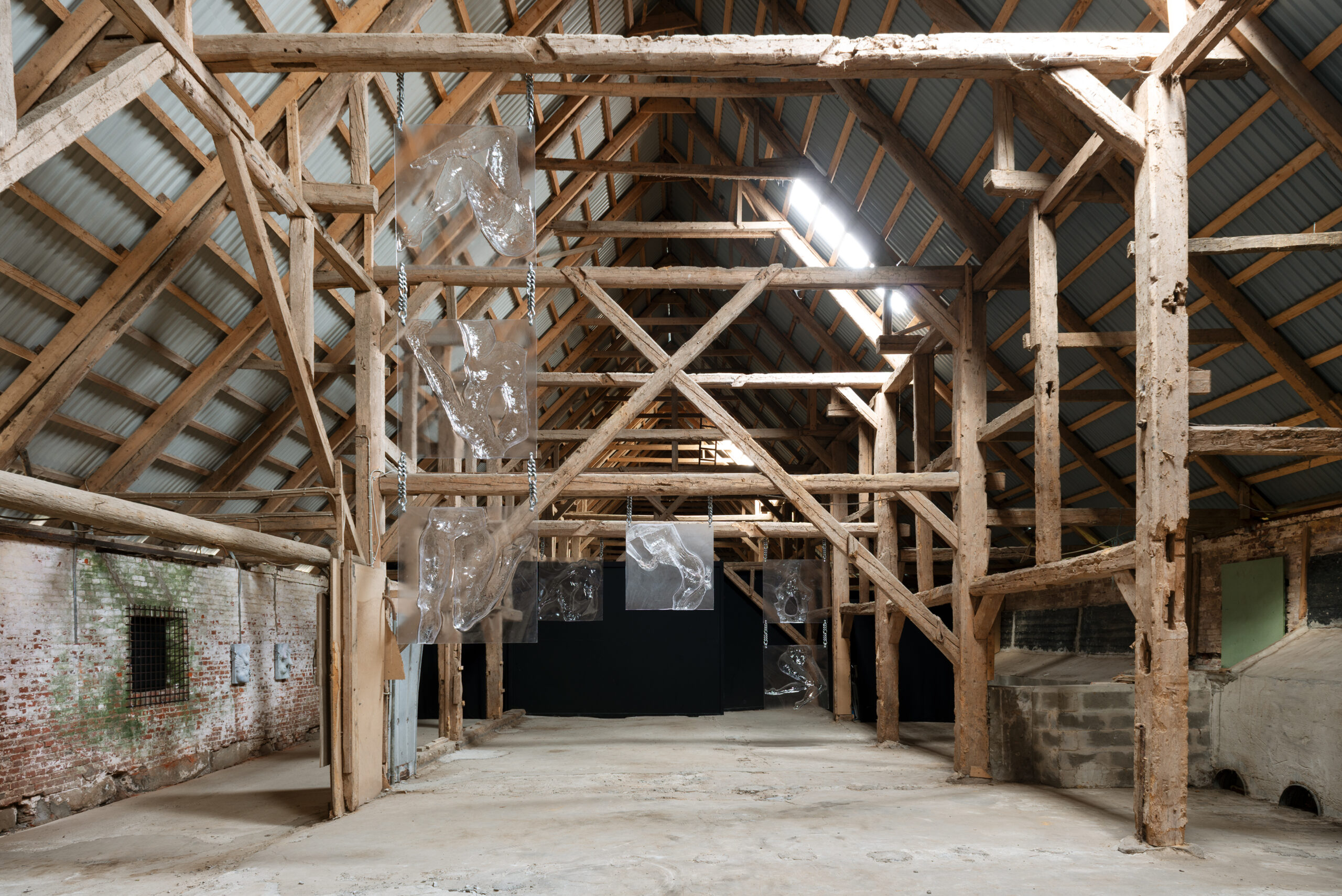
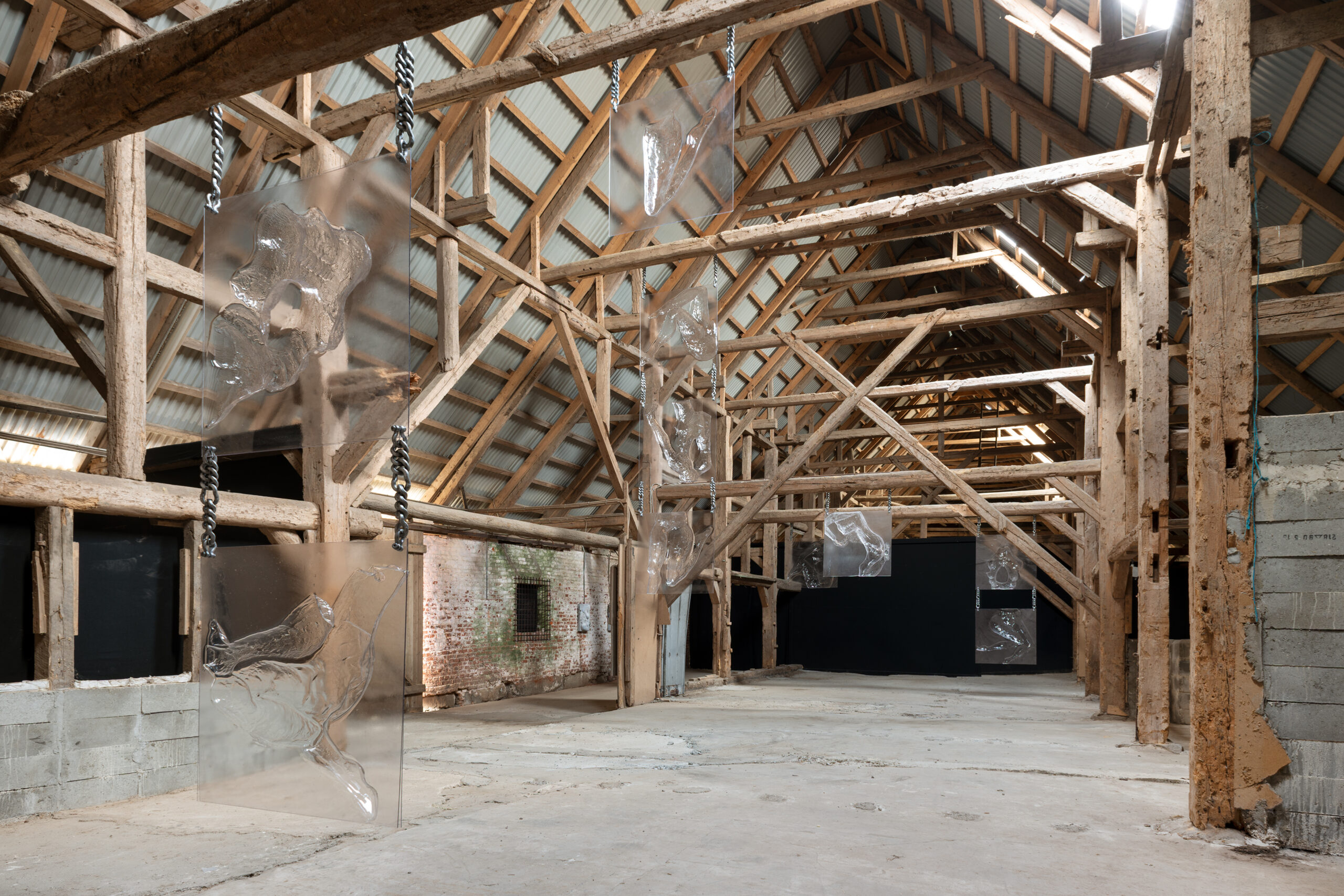
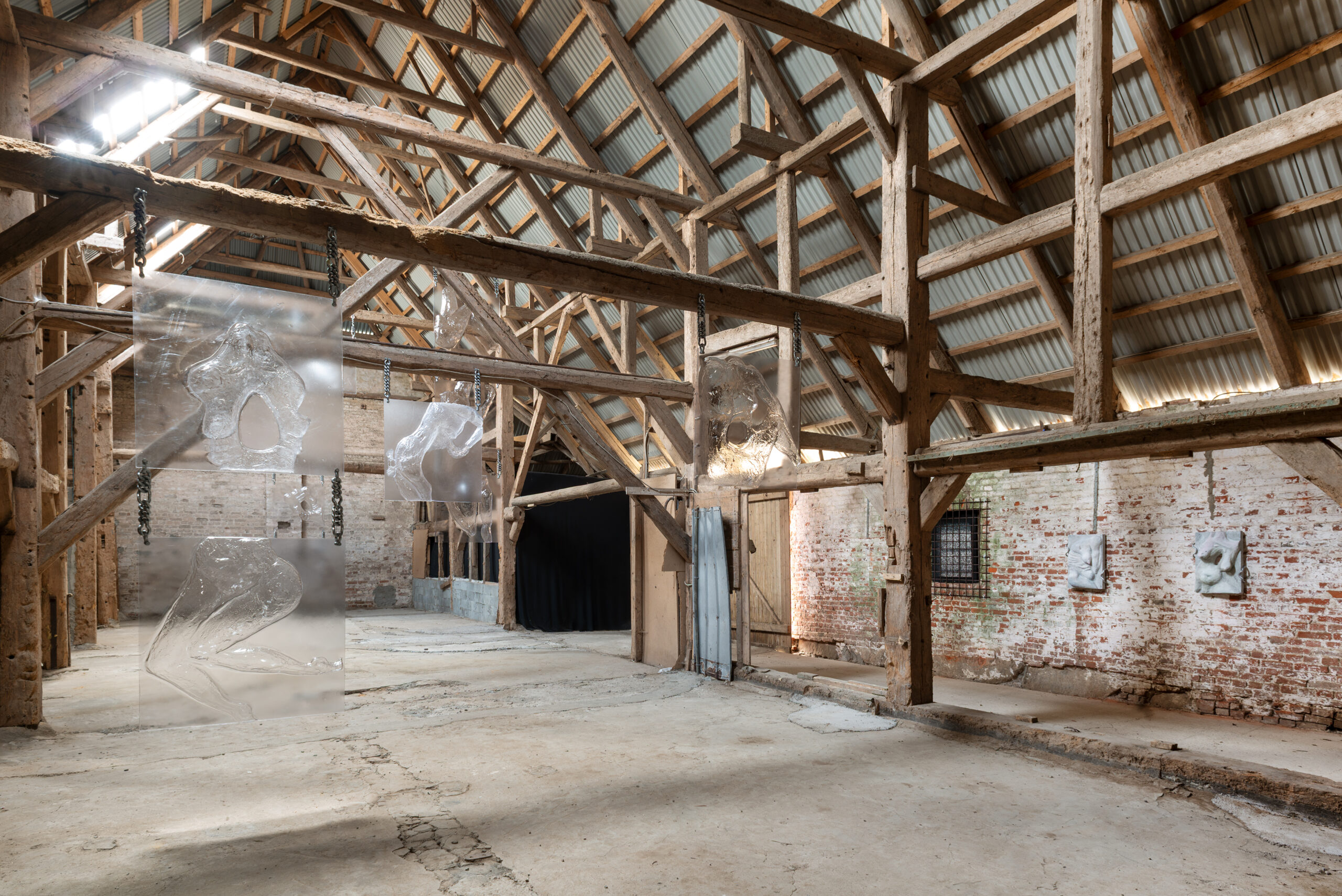
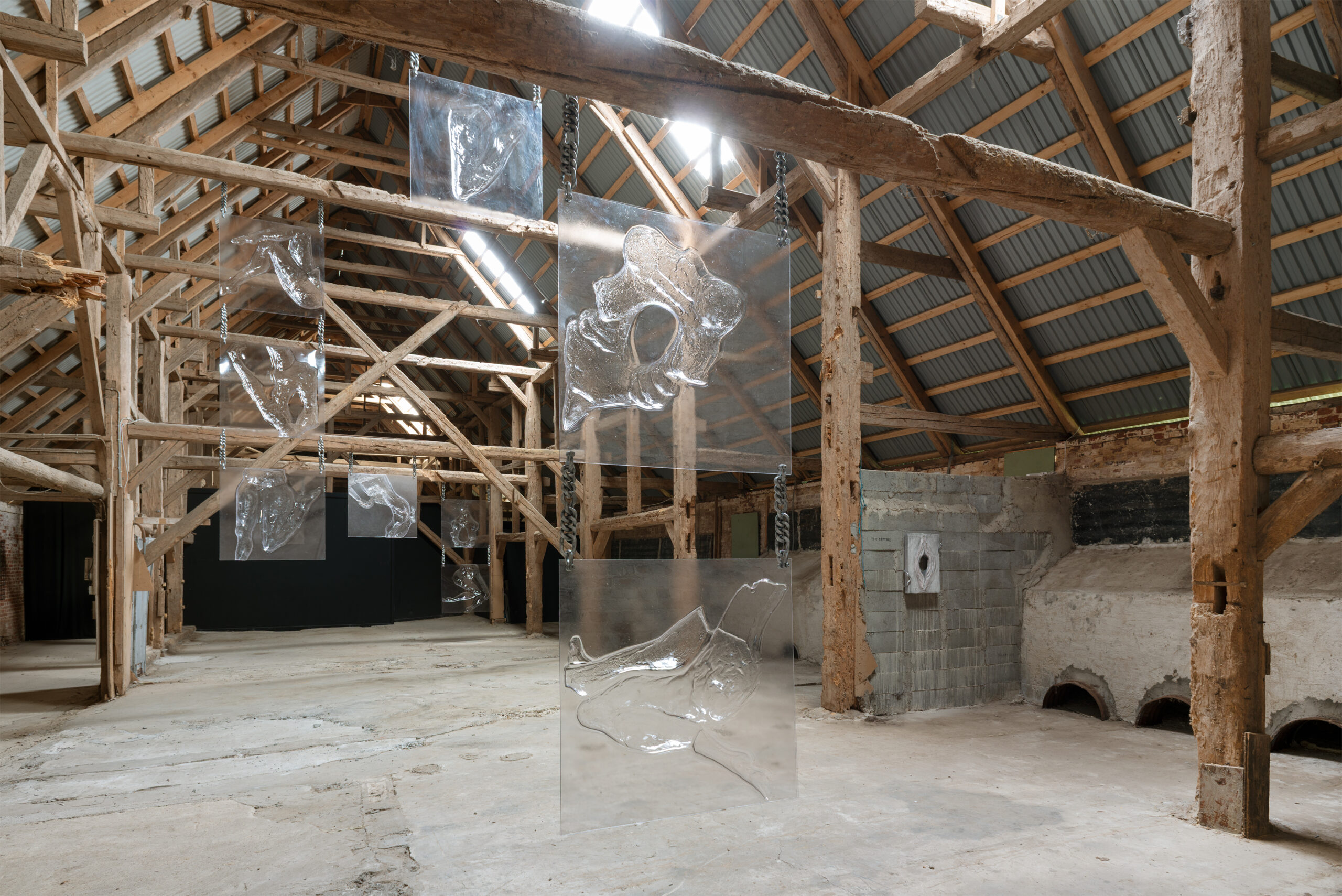
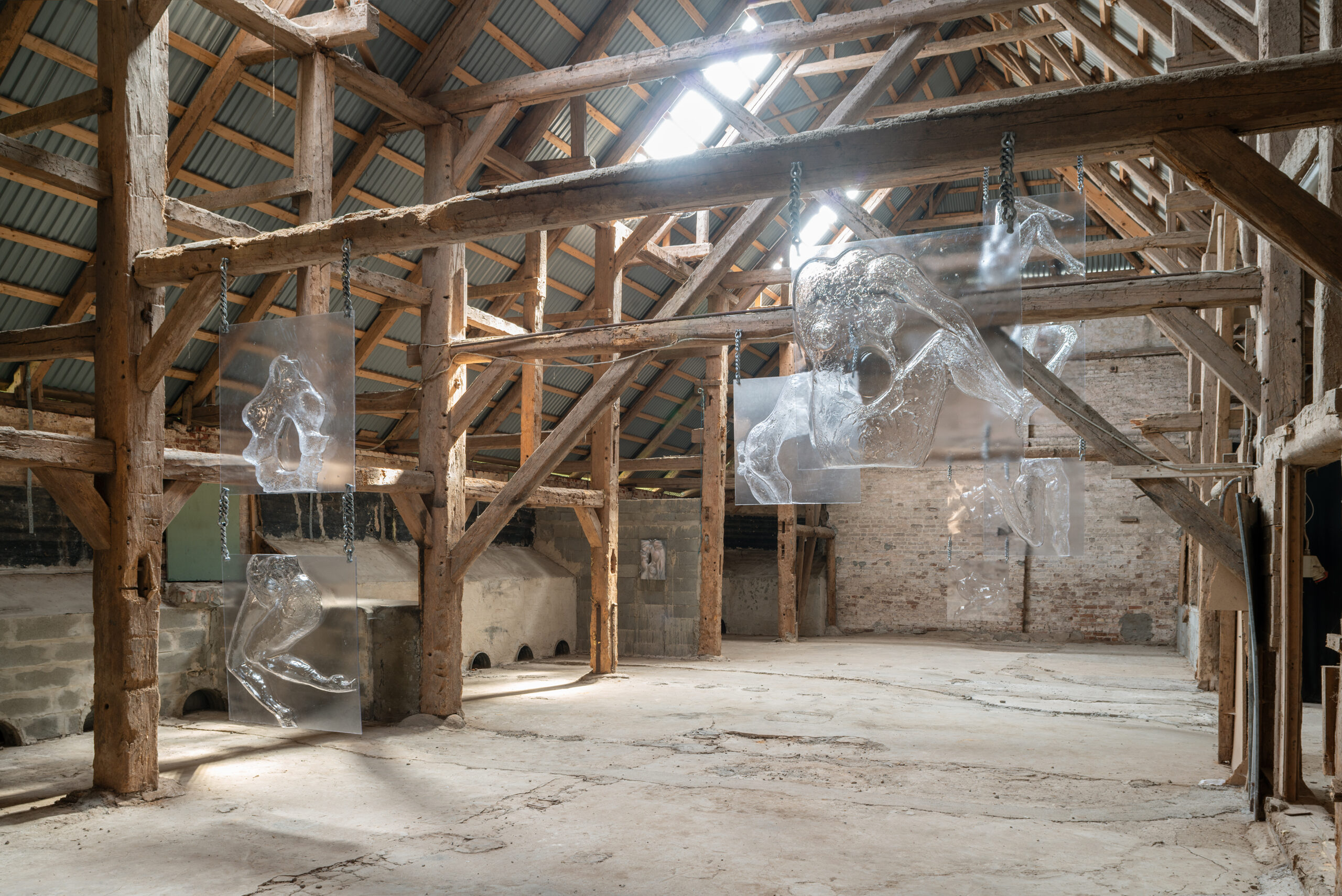
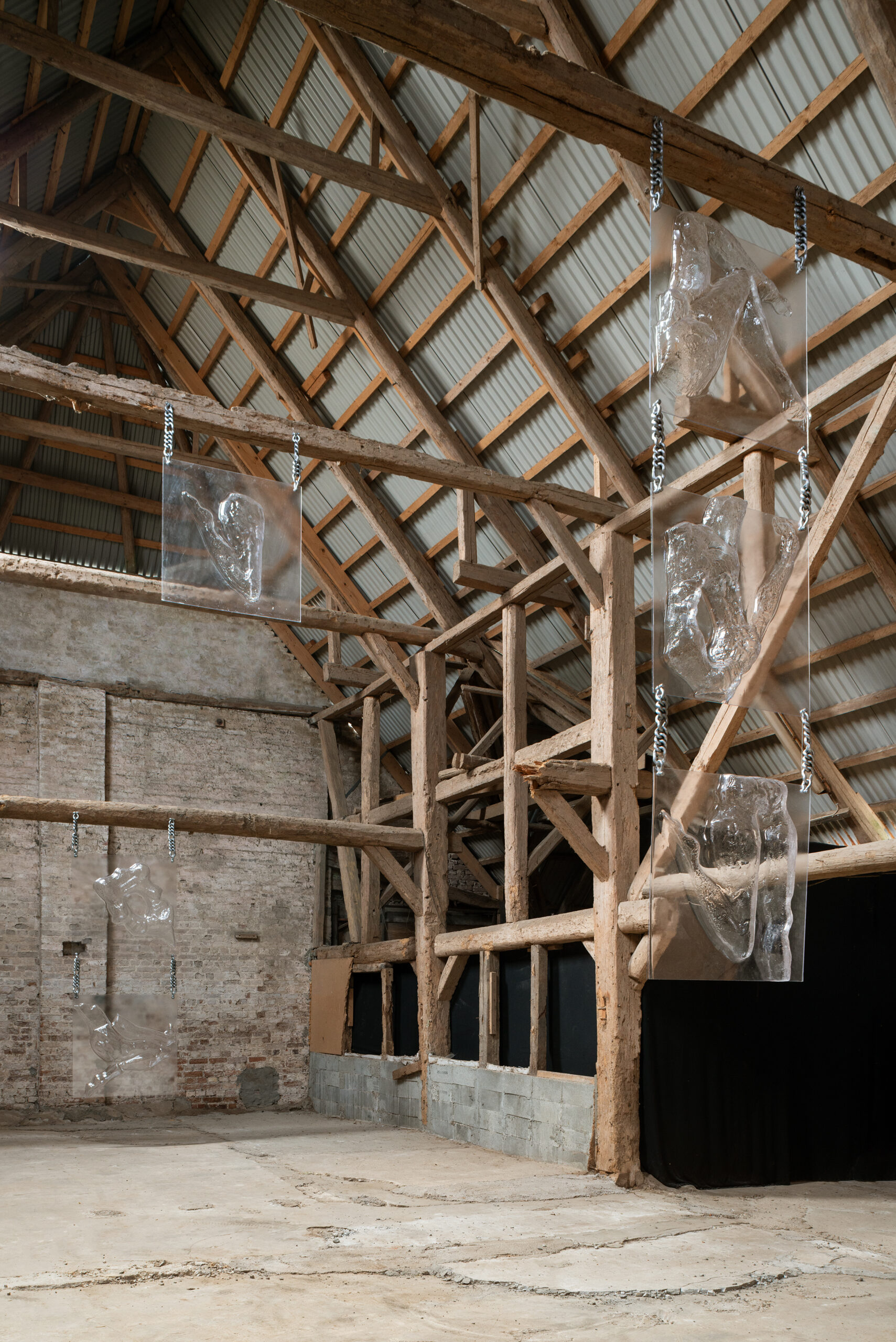
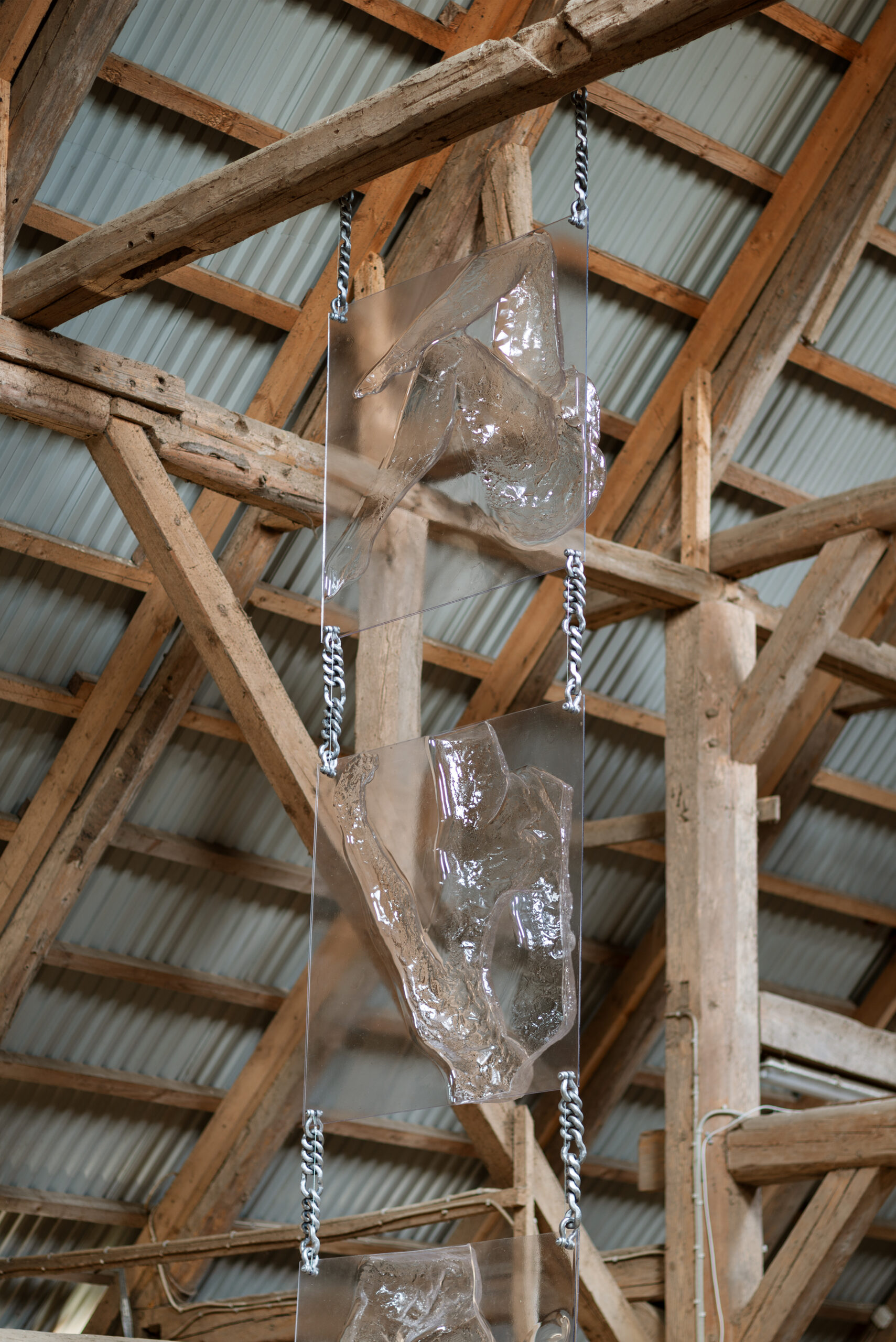
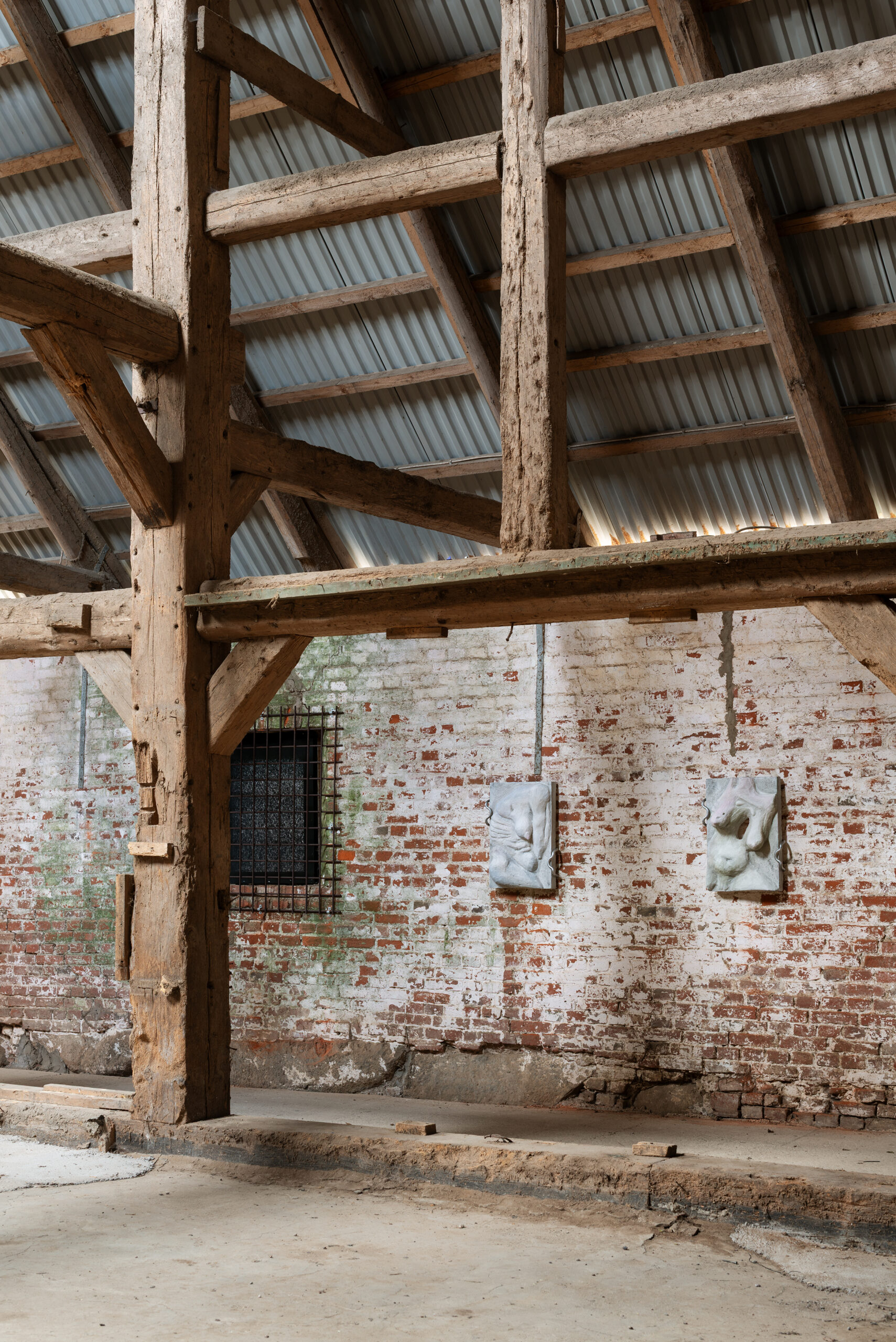
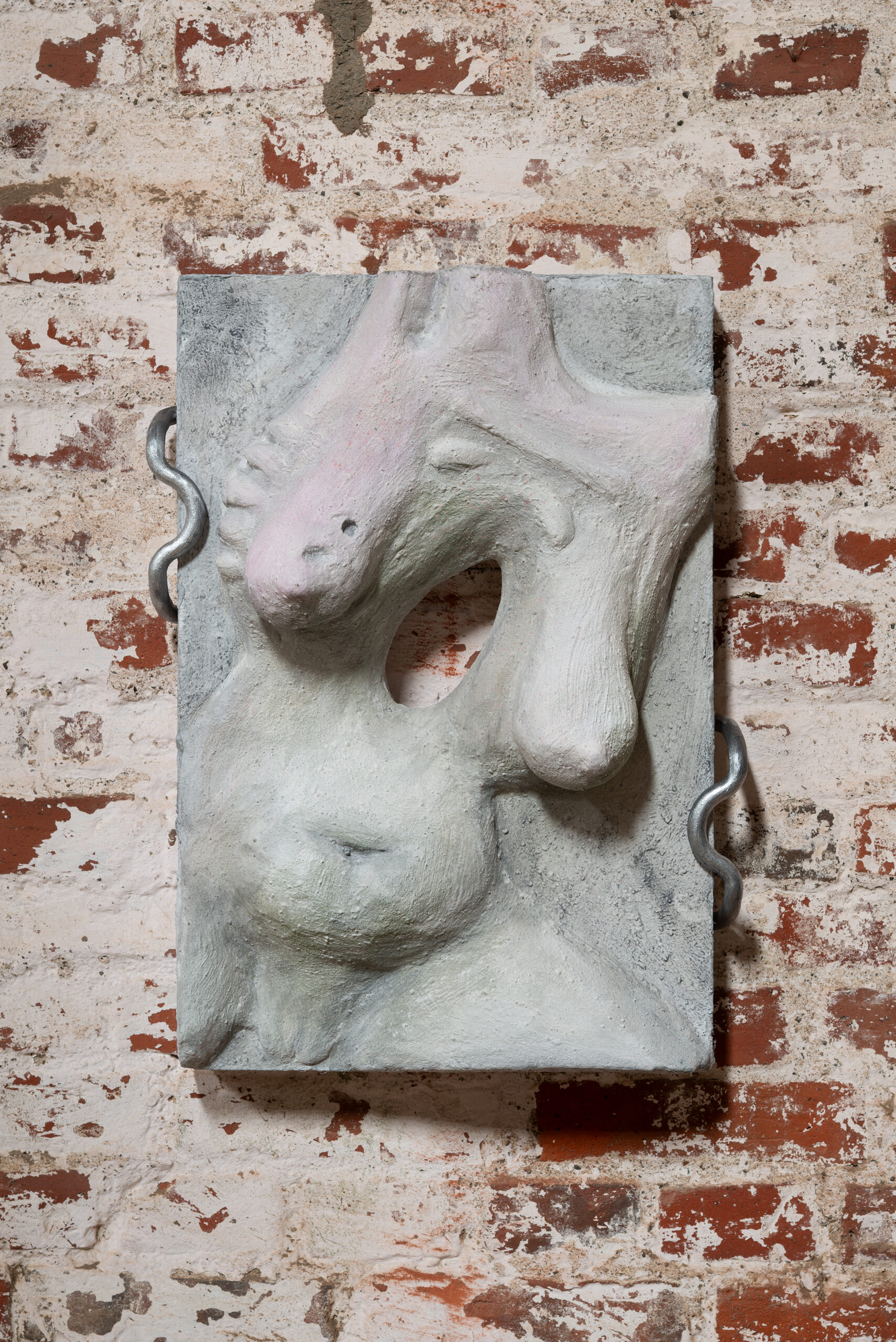
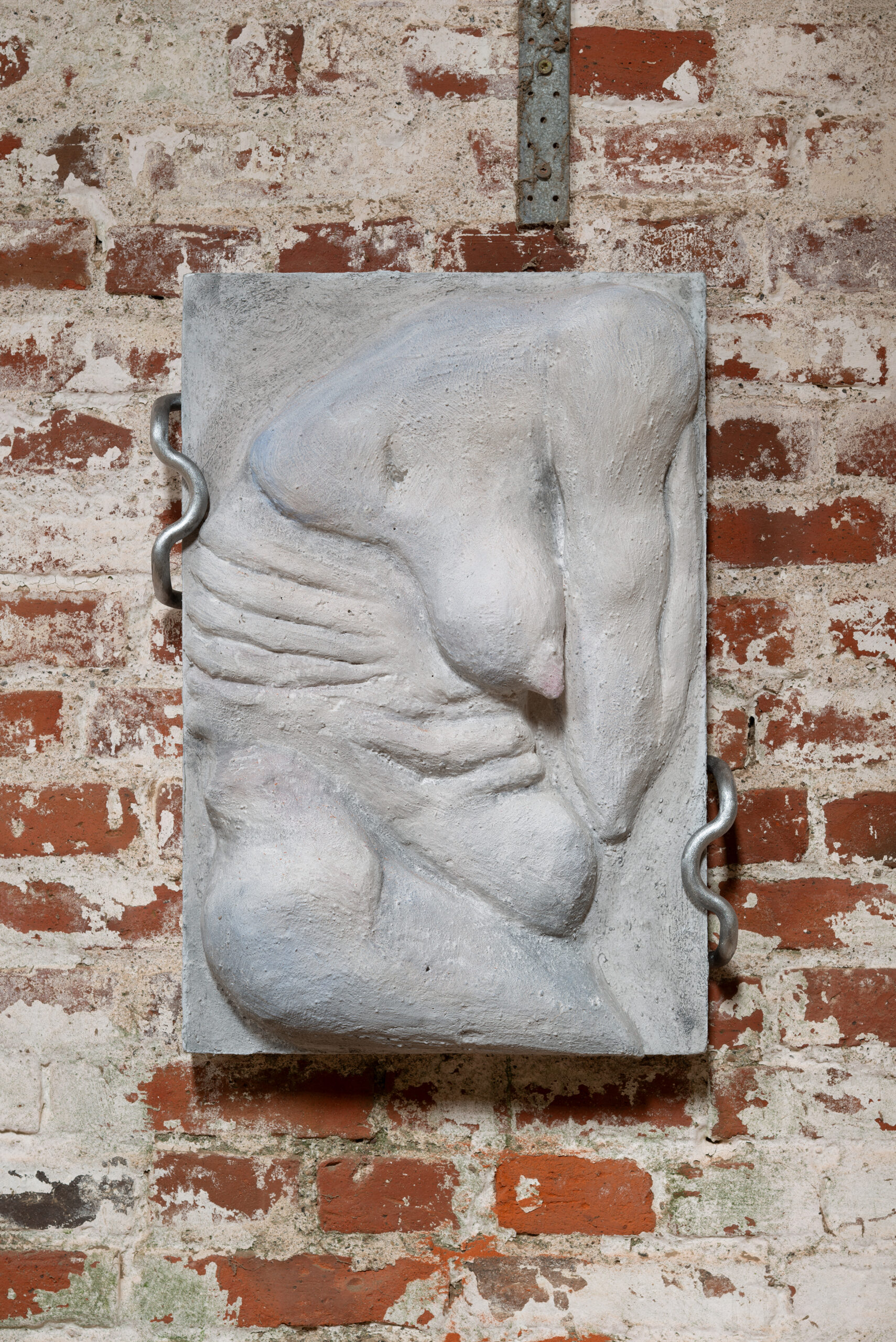
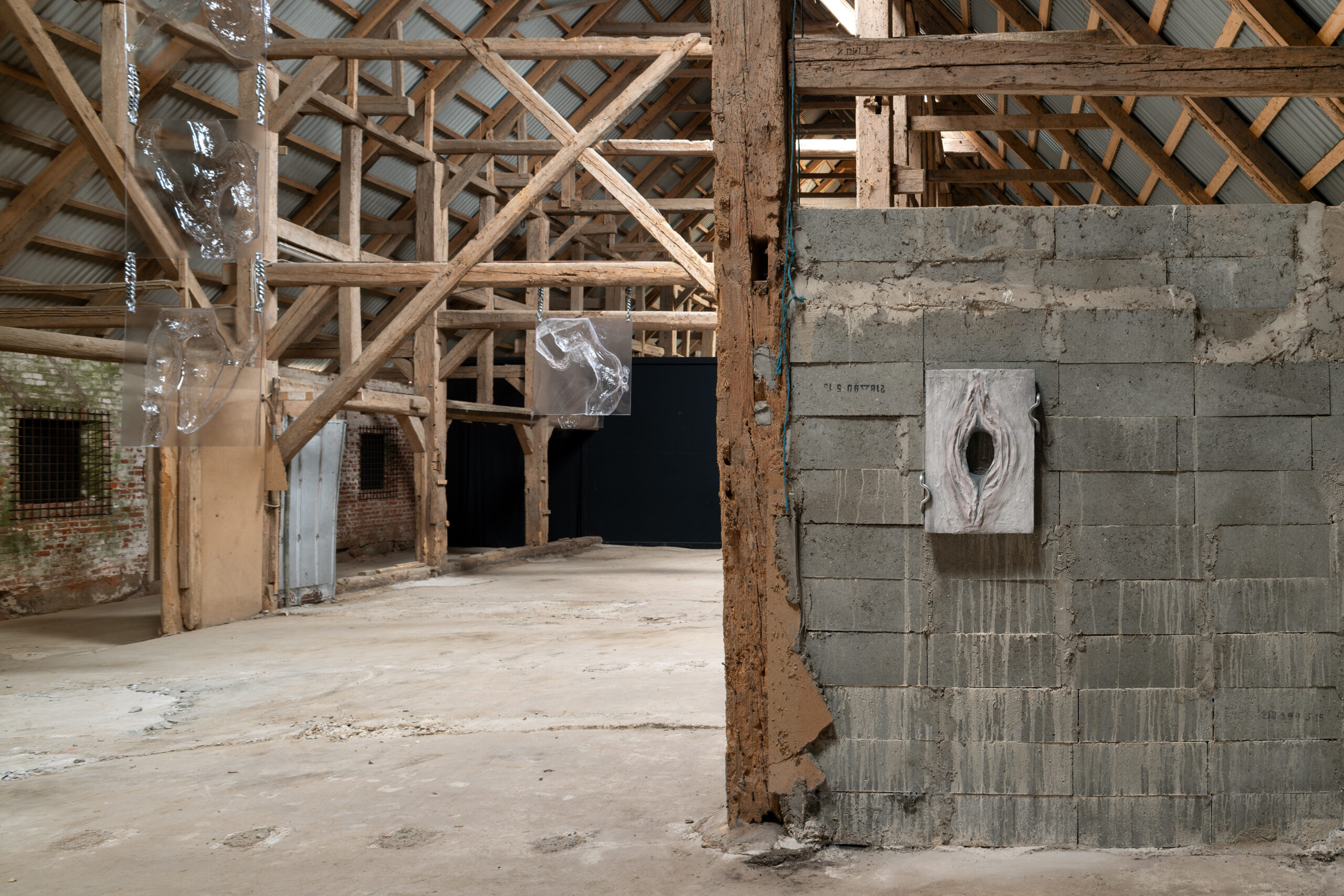
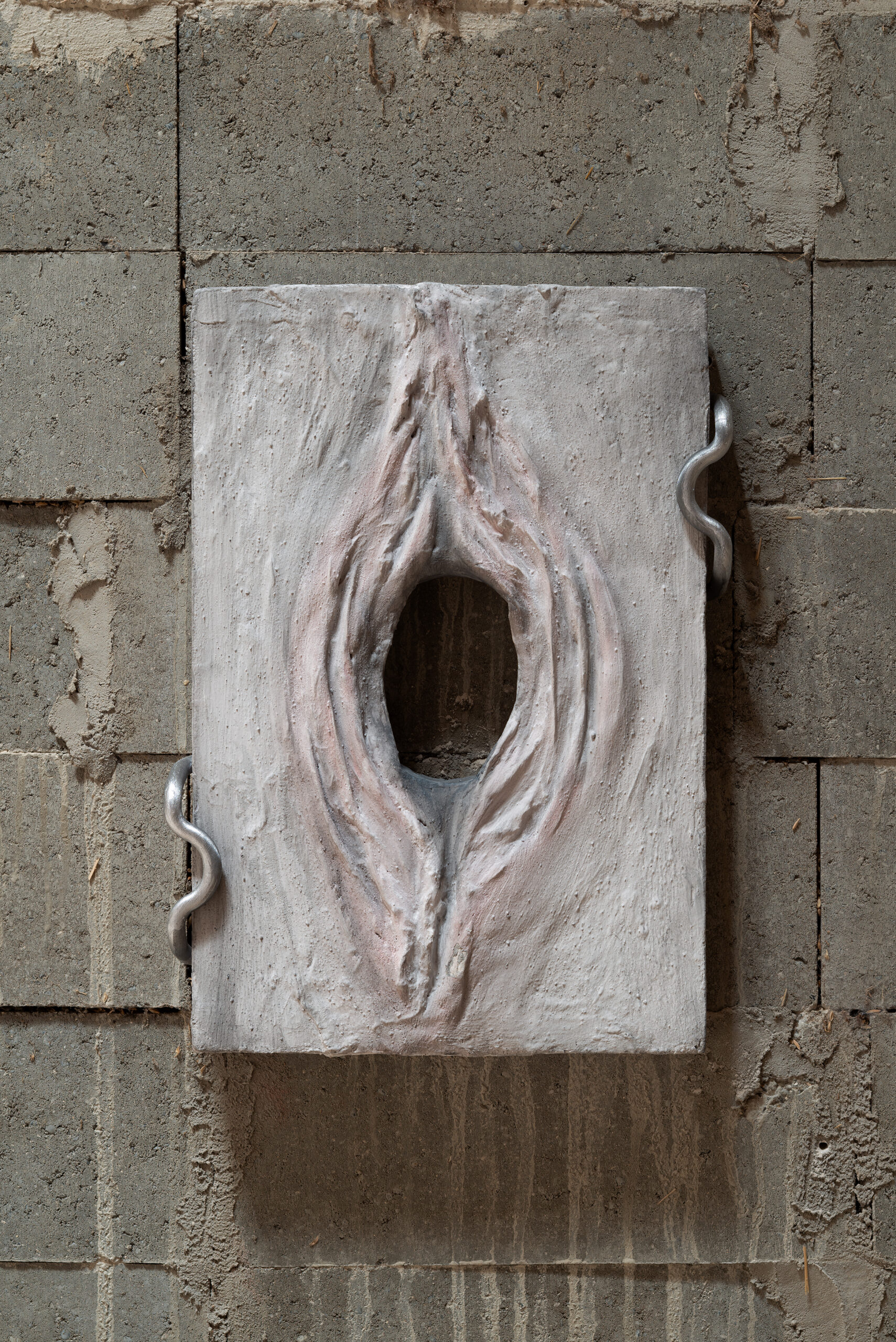
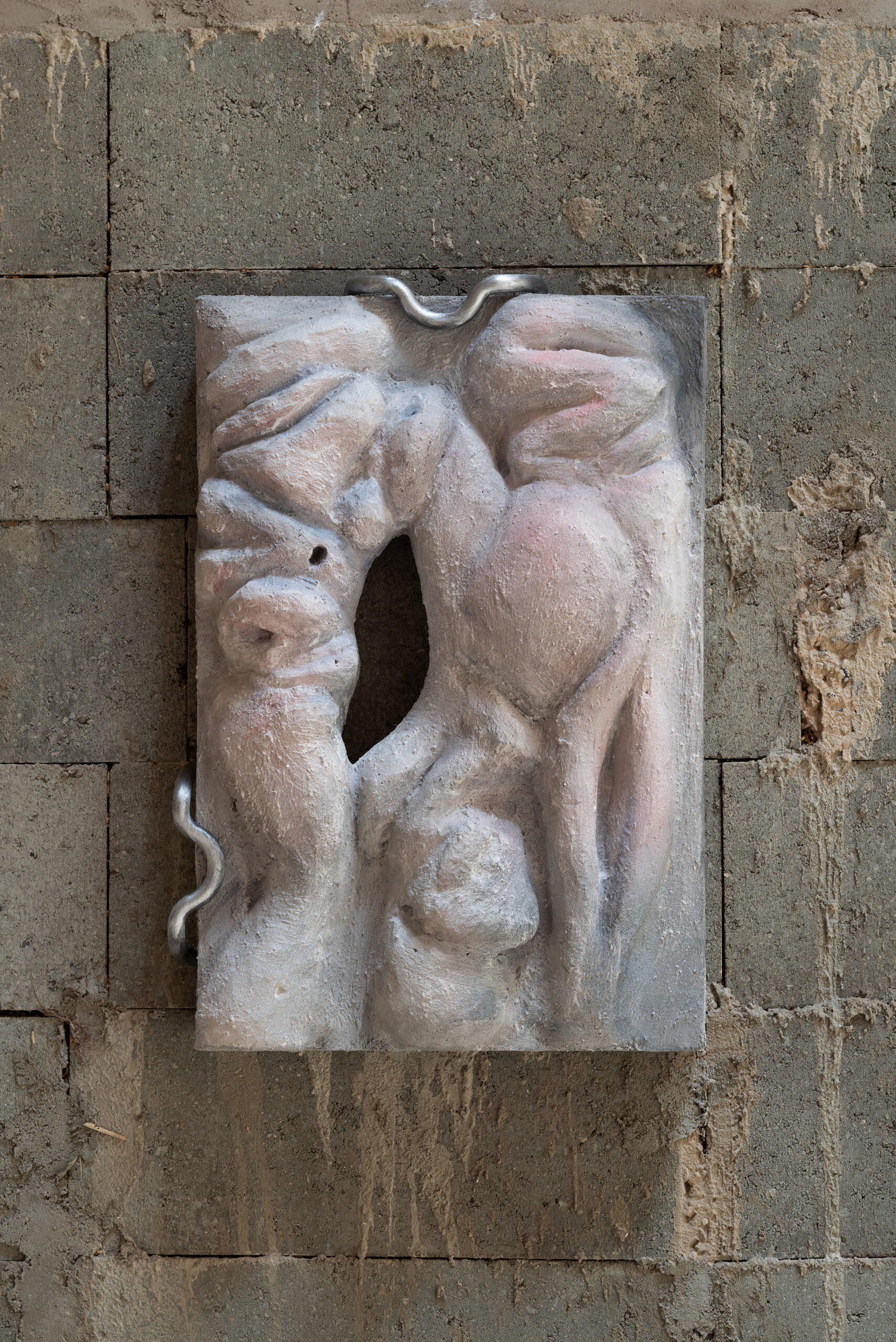
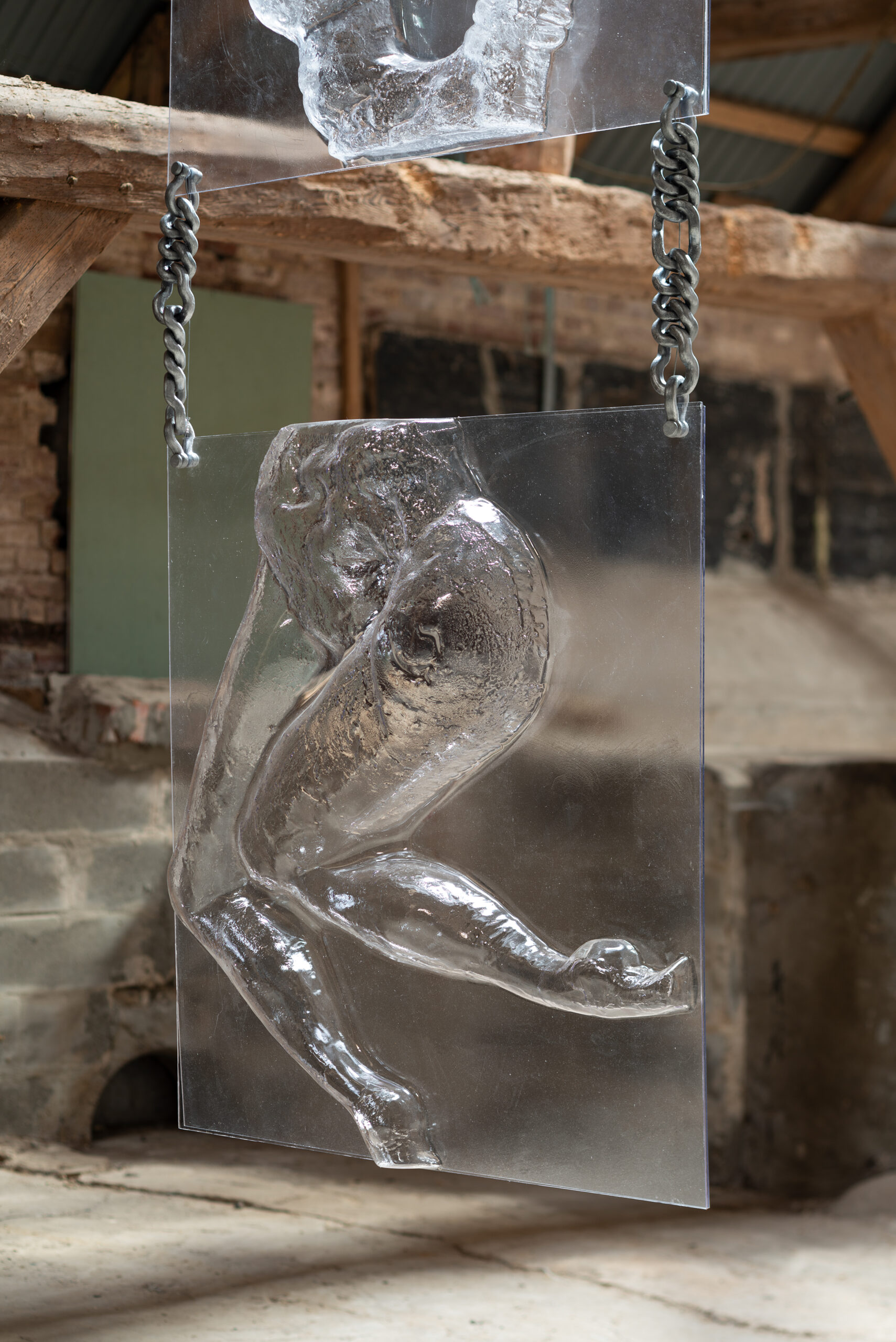
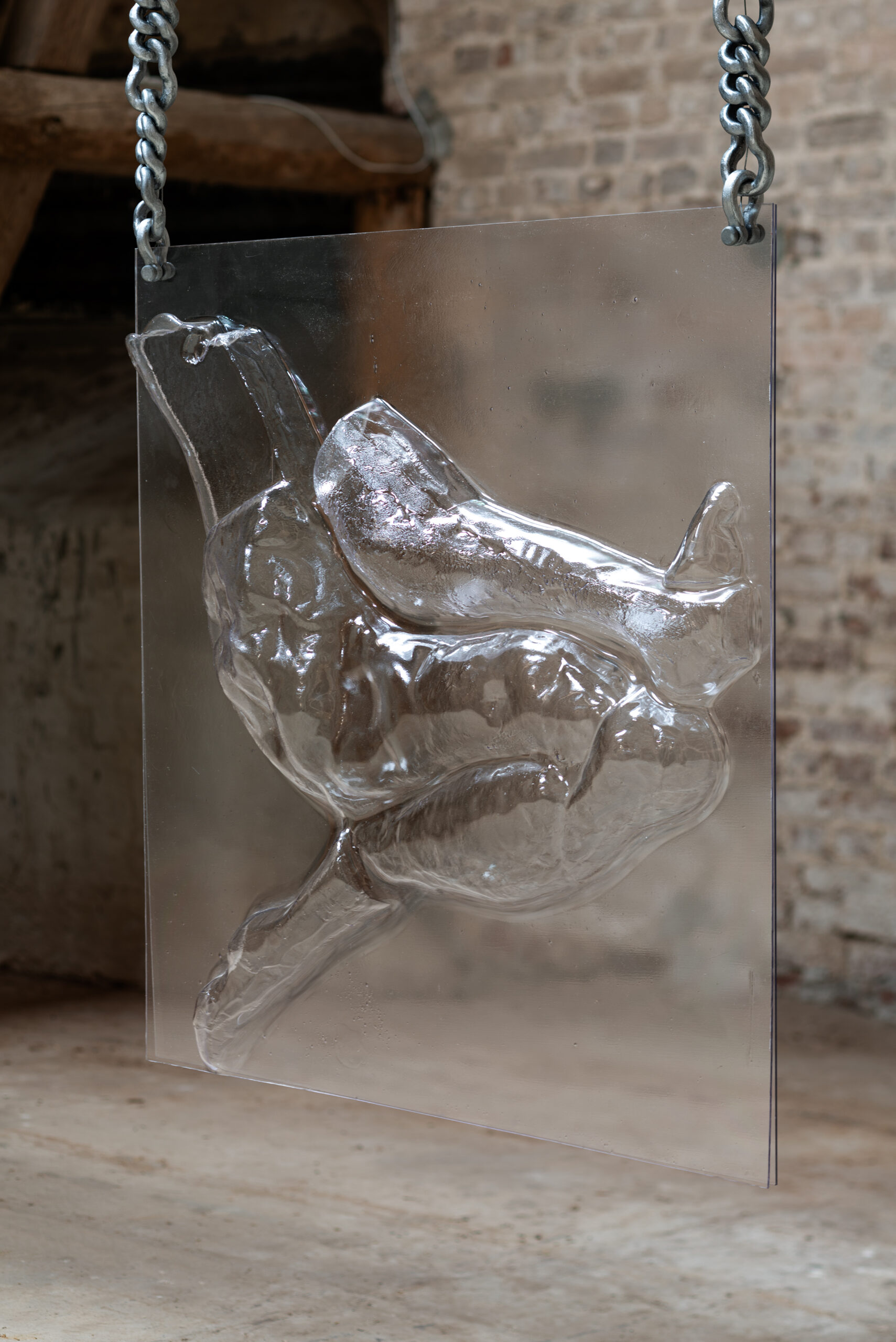
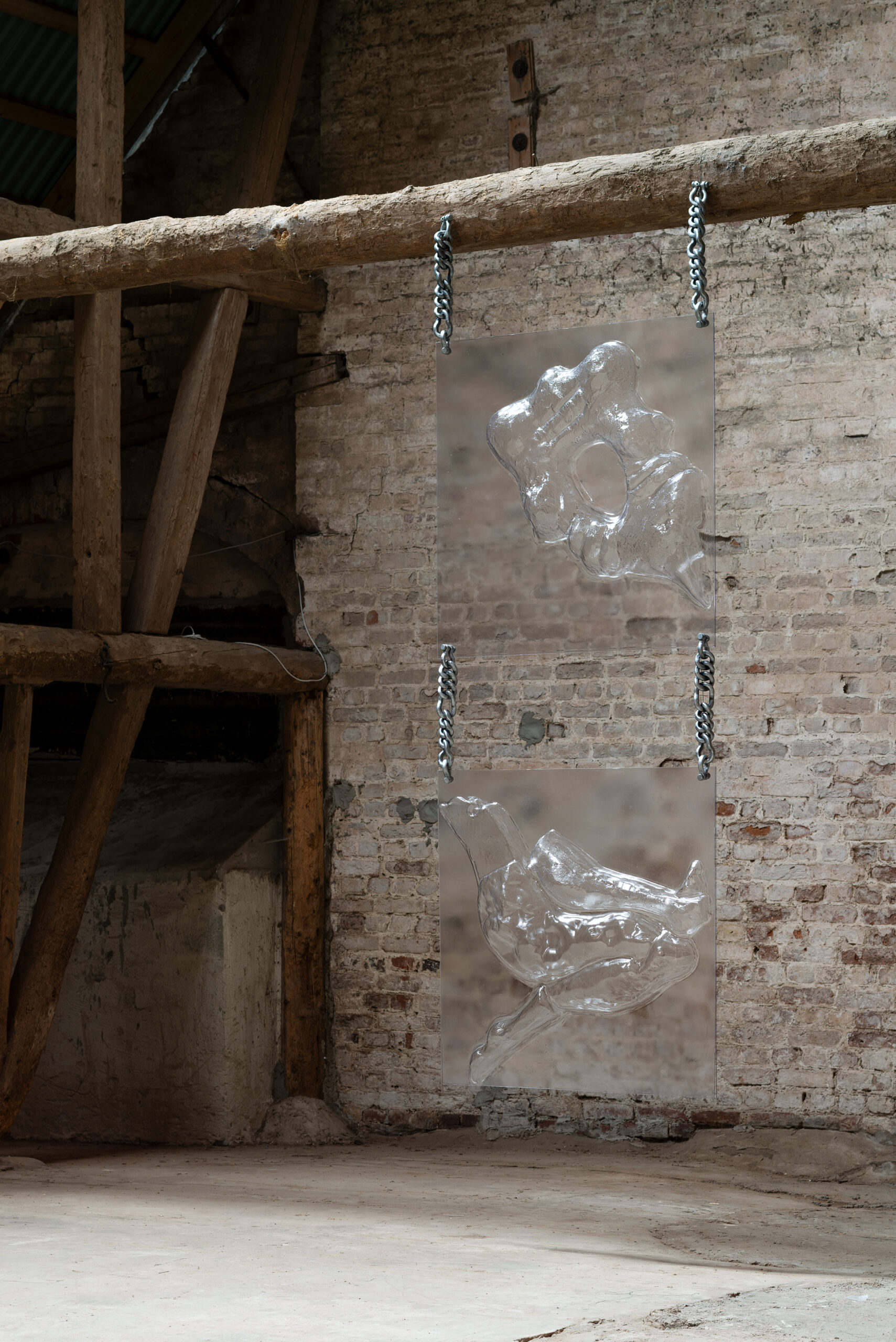
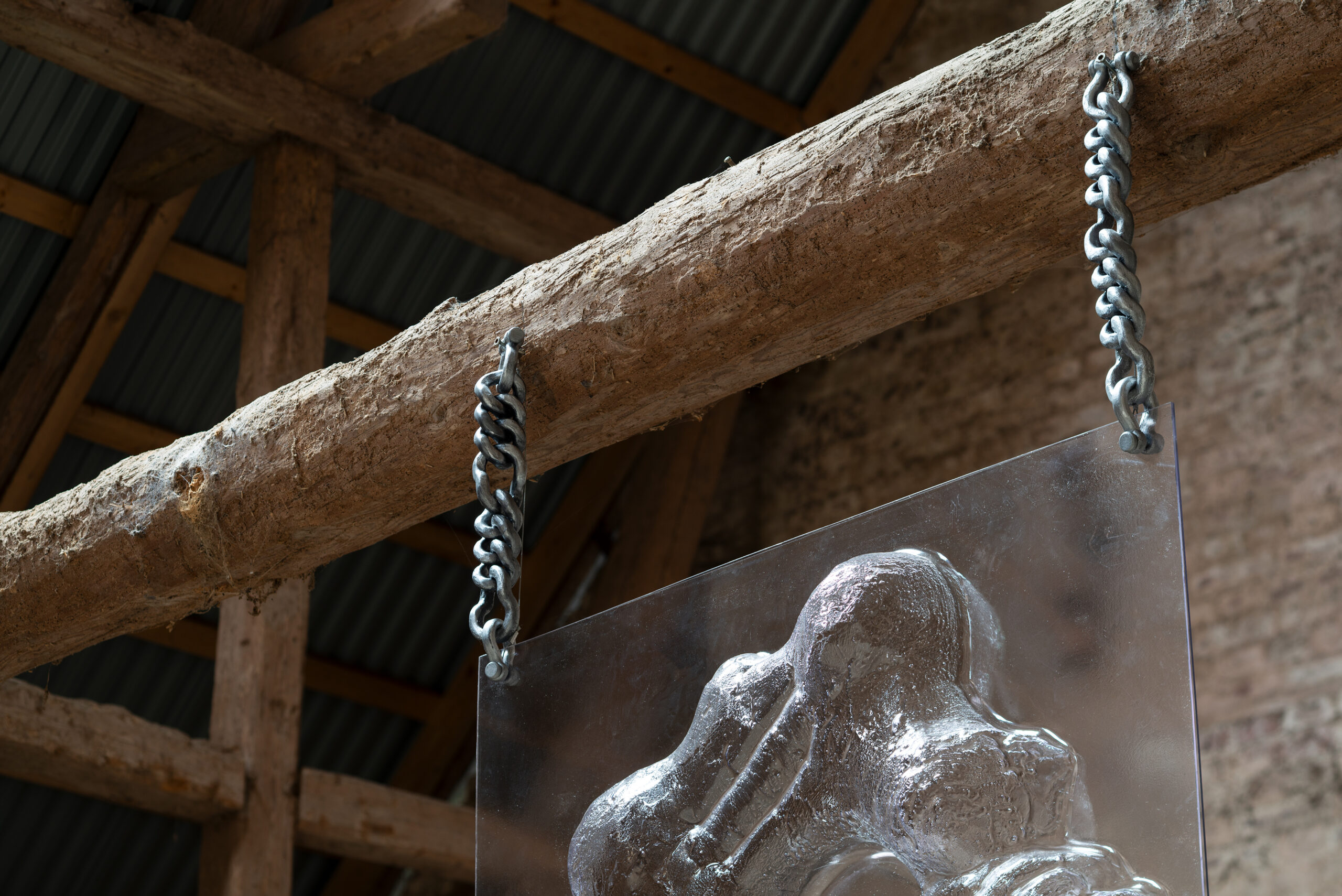
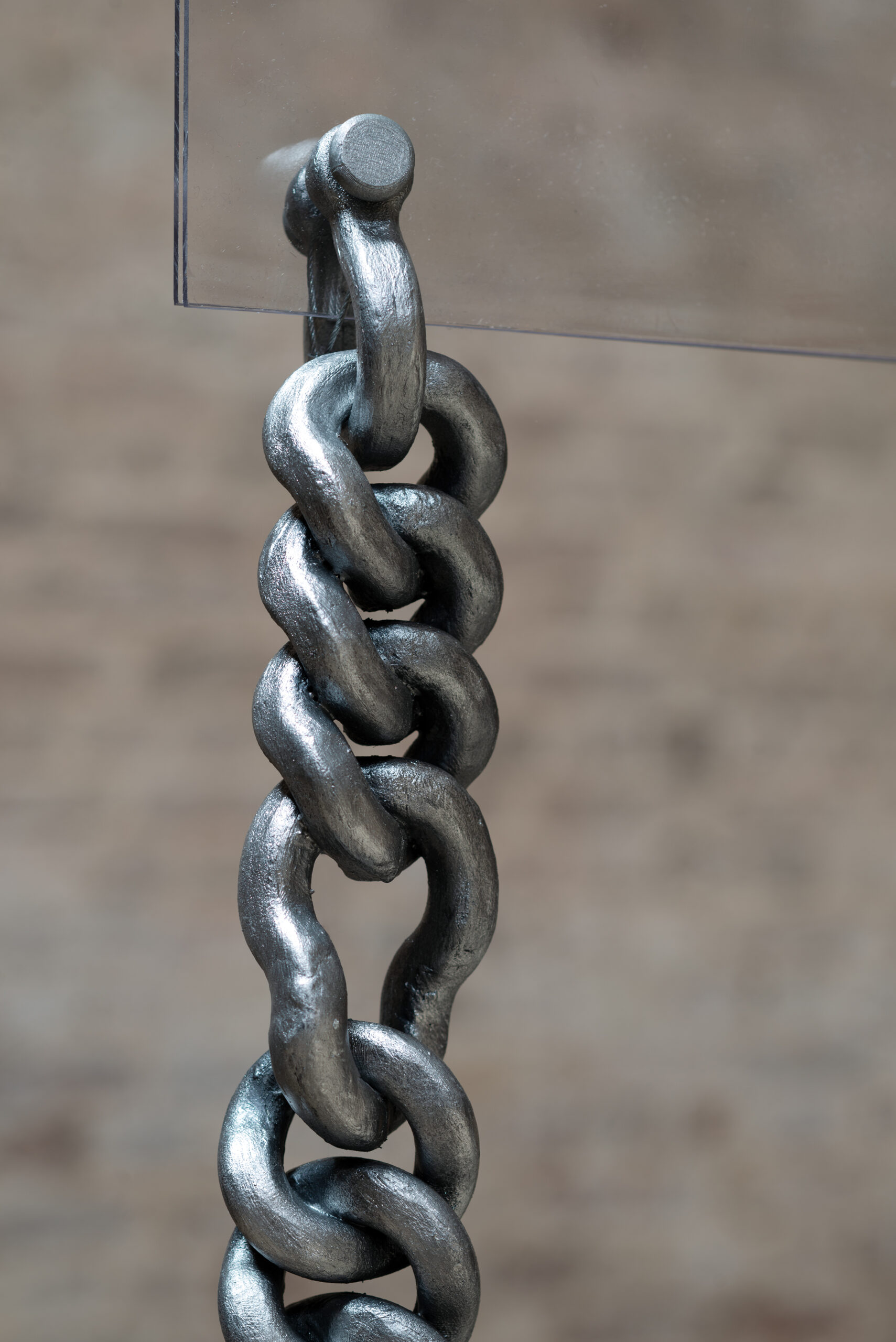
The exhibition The Jewel Box transforms Kunsthal Thy into a casket that safeguards the jewellery pieces Nanna Starck has created especially for this occasion. Suspended from the ceiling like the links of a chain and covering the walls as rough reliefs, these works carry the female body as their ornament. The female body is the point of departure for Starck’s artistic practice. It is her own body that realises her artistic works, forming the conceptual origin of her creative process.
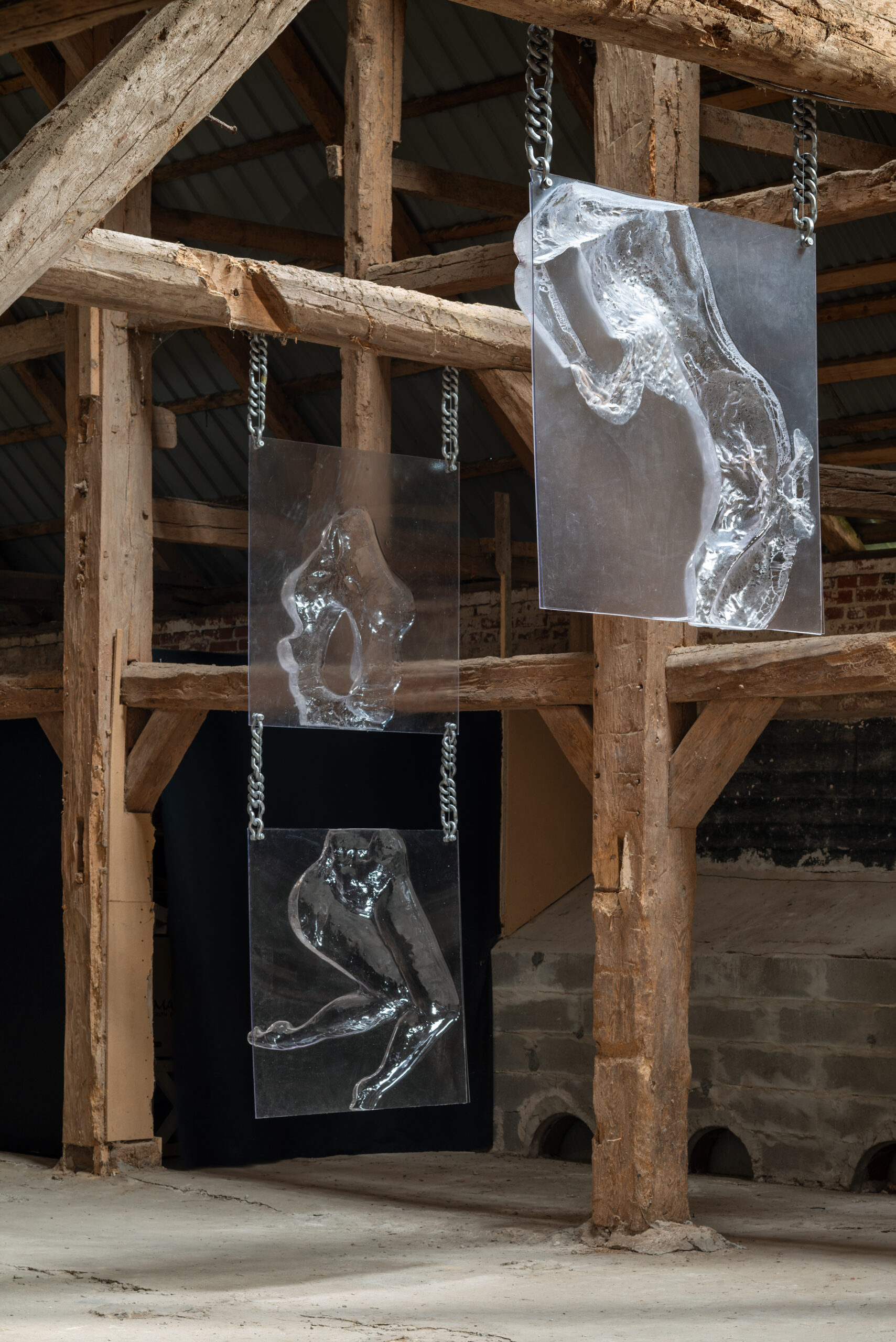
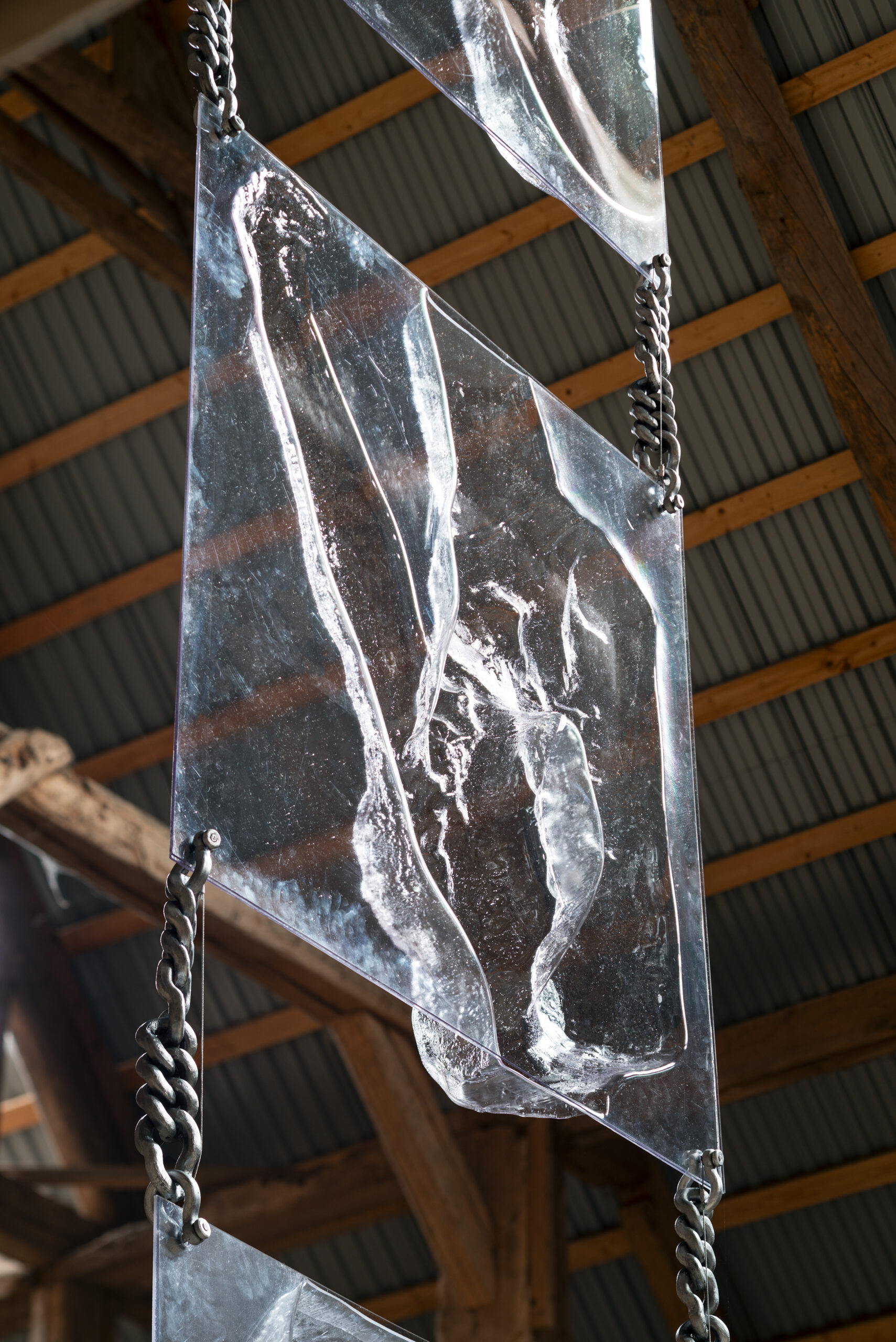
The works on the walls of Kunsthal Thy make it clear that Nanna Starck is not interested in the perfection of the female body. Rather, the tension in her work emerges where she disrupts the body’s flawless surface. It is in the places where she embraces the porous, rough, cracked, and blistered qualities of her materials, allowing them to open into the interior of the body, becoming fissures, cavities, and channels. In this way, vulnerability - as an inherent part of human existence - is not presented as a flaw but as an opportunity for a deeper understanding of the body. Starck also addresses the social conventions she challenges by opening up these bodies, making the frames of her bodily representations an integral part of the work, within which bodies, fragmented limbs, and torsos are distorted beyond the limits of human possibility.
For her exhibition at Kunsthal Thy, Nanna Starck engaged with local legends and mythical female figures. These are stories of women passed down through generations - women who often lived on the margins of society, whose ways of life were perceived as unfamiliar, dangerous, or nonconforming, and who were therefore described as witches or uncanny beings. One well-known example is the local legend of the Ellewoman of the small island ‘Lindholm’. She lived alone on a hill with two red cows. When local farmers sought to drive her away, she promised them prosperity if they left her in peace and misfortune if they tried to expel her. Viewed without superstition, the story could simply be about a woman who chose not to marry, did not start a family, and supported herself independently. In earlier times, such a selfdetermined way of life could deviate so profoundly from social expectations that it was perceived as threatening. Fortunately, perceptions of independent women living alone have changed over the centuries. Yet traces of these historical forms of exclusion remain with us today. Women’s bodies continue to be judged, objectified, and publicly scrutinised. Women, including those in positions of power and leadership, are still viewed differently from men.
The bodies that Nanna Starck has created for Kunsthal Thy are embedded within square elements of partially transparent plastic. The reliefs hang in series of varying lengths from the beams of the kunsthal, resembling the scattered links of a broken bracelet. They evoke pieces of jewellery created not only to please their wearer but also to outlive her - to remain within a family across generations, carrying forward the memories of all who have worn them. They become a thread connecting the stories of women today with those of their foremothers.
Bio
Nanna Starck, born in 1976 in Frederiksberg, studied at the Royal Danish Academy of Fine Arts in Copenhagen from 1998 to 2004. Her work has been presented in solo exhibitions at Ringsted Galleriet, Tranen in Gentofte, and Galleri Maria Friis in Copenhagen, among others. She has also participated in numerous group exhibitions, including at the National Gallery of Denmark (SMK), Fuglsang Art Museum, Nikolaj Kunsthal, Museum Sønderjylland – Kunstmuseet i Tønder, Sophienholm, Dansehallerne Copenhagen, as well as internationally in Los Angeles, Leipzig, and at the Seoul International New Media Festival. Her works are represented in the collections of SMK and Brandts Art Museum and have been acquired by the New Carlsberg Foundation and the Danish Arts Foundation.
The works presented in the exhibition were commissioned by Kunsthal Thy. Their production has been supported by the Danish Arts Foundation and the Fake Foundation.